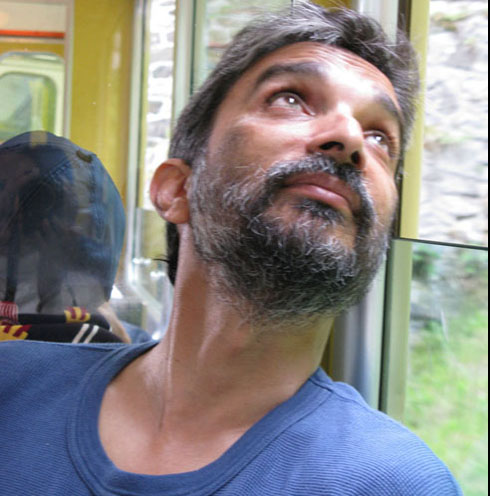
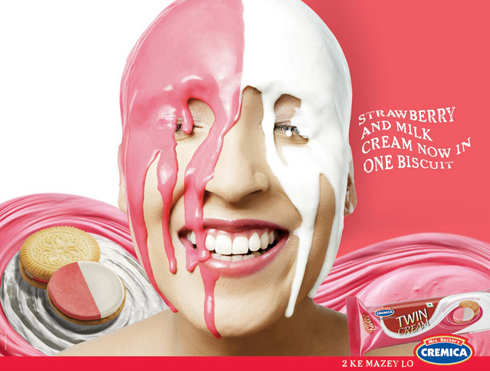
In his own words: “My family have been photographers or associated with photography for a long time, and my first decent camera was given to me by my father, via my uncle, to whom my father lent his entire outfit, on the basis that the cameras would be mine when I was old enough. In the meantime, I was given a basic box brownie – camera of champions – to make do with. The shutter button’s spring was so difficult to press, the camera couldn’t be kept still. Two long years later, at the blameless age of seven, my uncle appeared, with an SLR, three lenses, a stack of accessories and filters, and a tripod that nearly took my eye out, as they say.
Behind the works of my favourite classical artists – Constable, Turner, Hogarth, Picasso, Burne-Jones, Rembrandt and of course, DaVinci – lie ways of thinking, research, understanding, that these chaps (always chaps, I’m afraid) possessed and cultivated.
Photographers’ images are of course influential, but as with the Old Masters, the real insights are gleaned from understanding their motives, their research and the efforts made to cultivate the talents they had. There’s plenty of talent around, but it’s nothing without hard work.
I learnt a lot, although not aesthetically, from the late Ansel Adams. The late Barry Thornton’s writings are still hugely influential, and I leaf through the World Press Photo annuals, usually in admiration, ocassionally in mystification — we don’t always agree — but always reminding myself that it’s the people I’m interested in. Here’s to Doisneau, Cartier-Bresson and Capa; David La Chappelle and Annie Leibovitz; Mitch Epstein, Paul Graham, Tom Stoddart and Steve McCurry; Tim Hetherington, Martin Parr and Simon Norfolk; so many photographers, so little space. Here’s to pushing the boundaries a little bit further on.”
Why are you a photographer?
It’s the best way I can find to satisfy my curiosity about the world and it provides me with a reason/excuse to ask questions and find out information.
(more…)