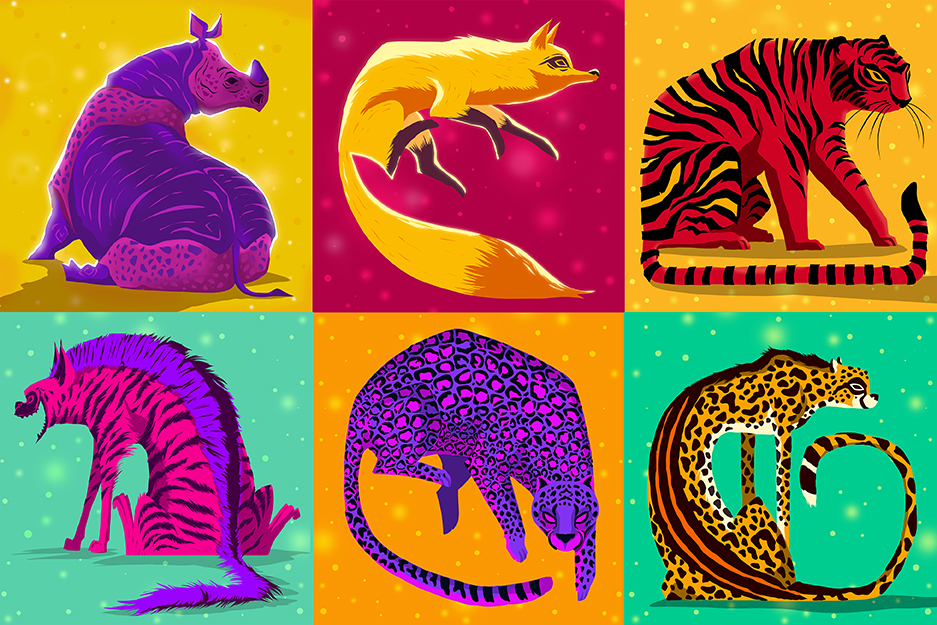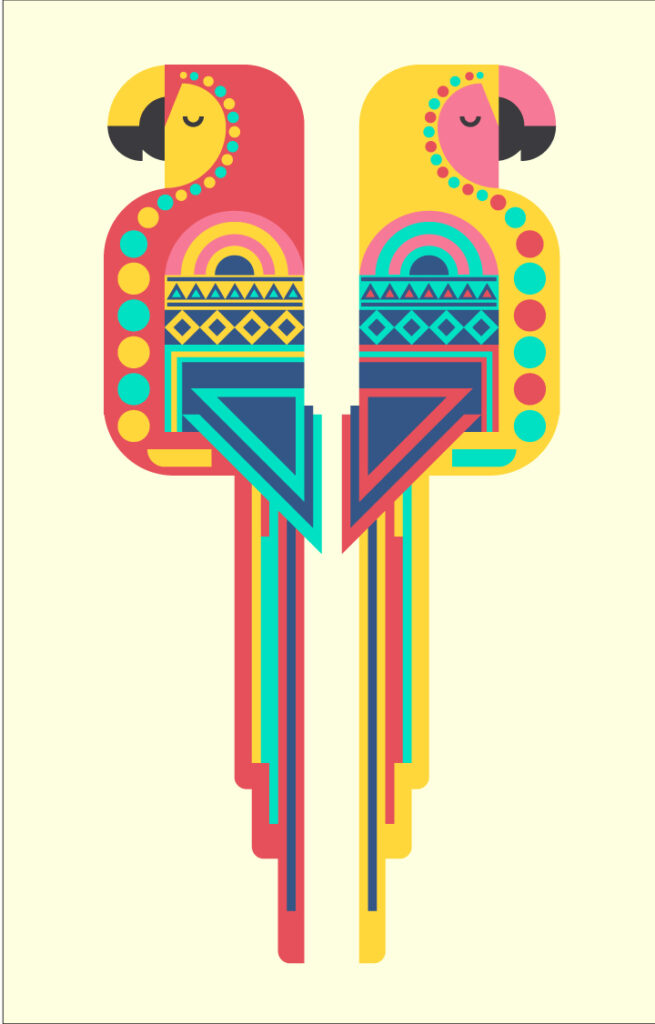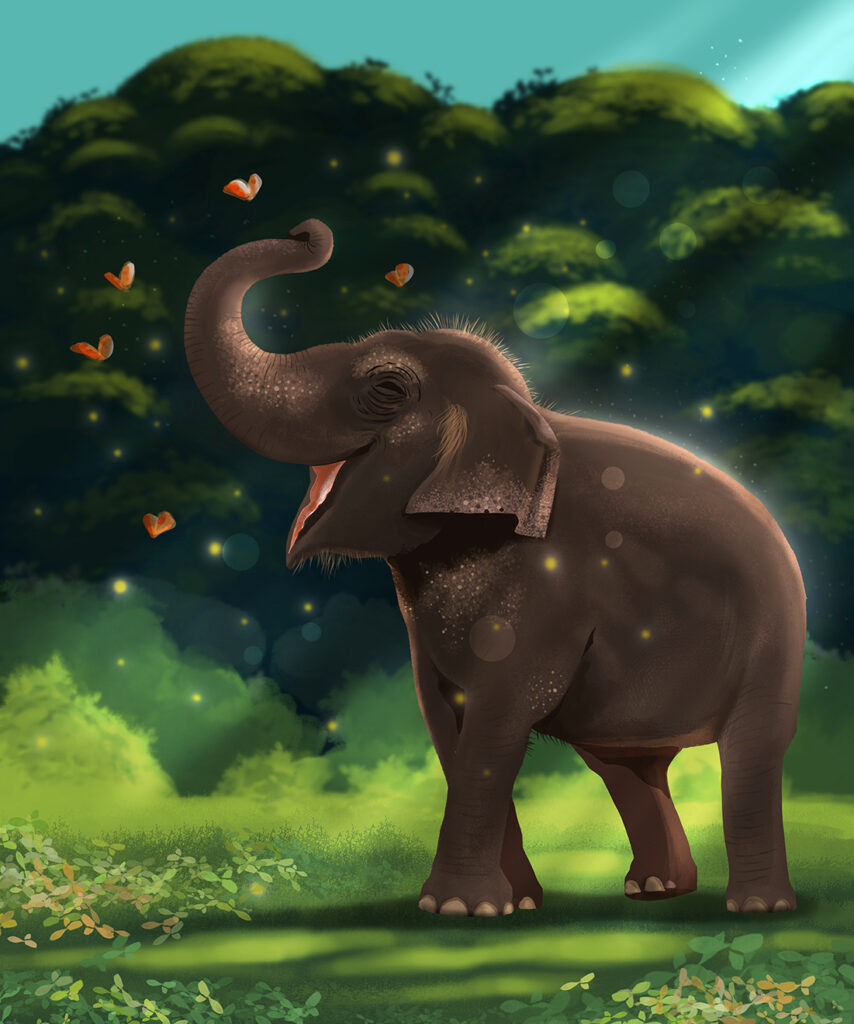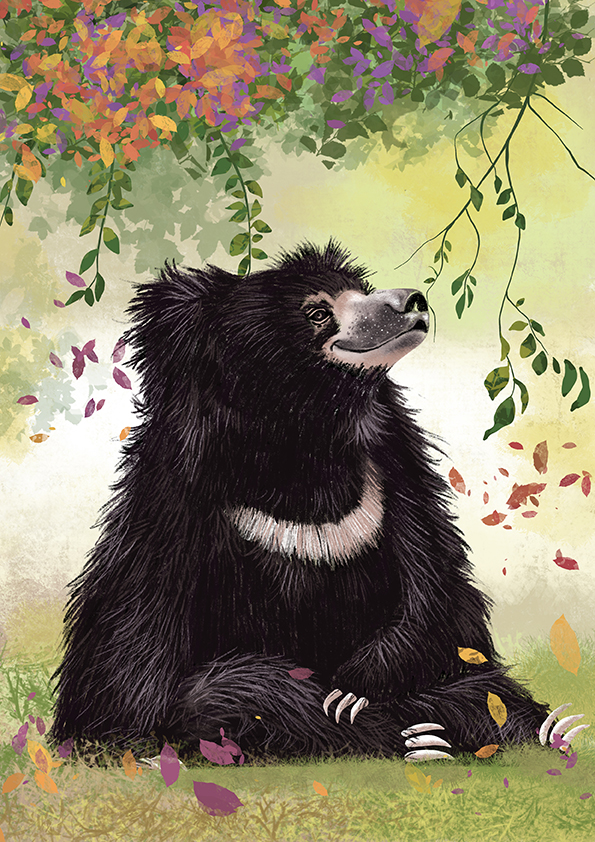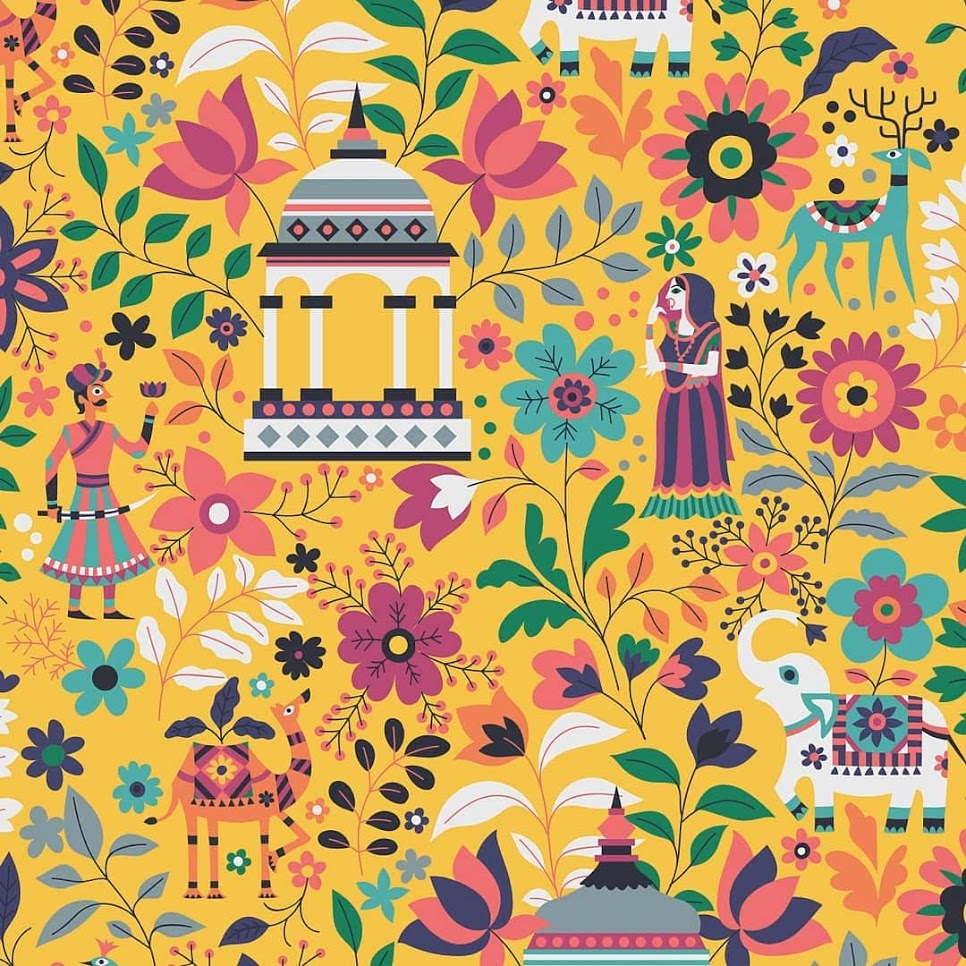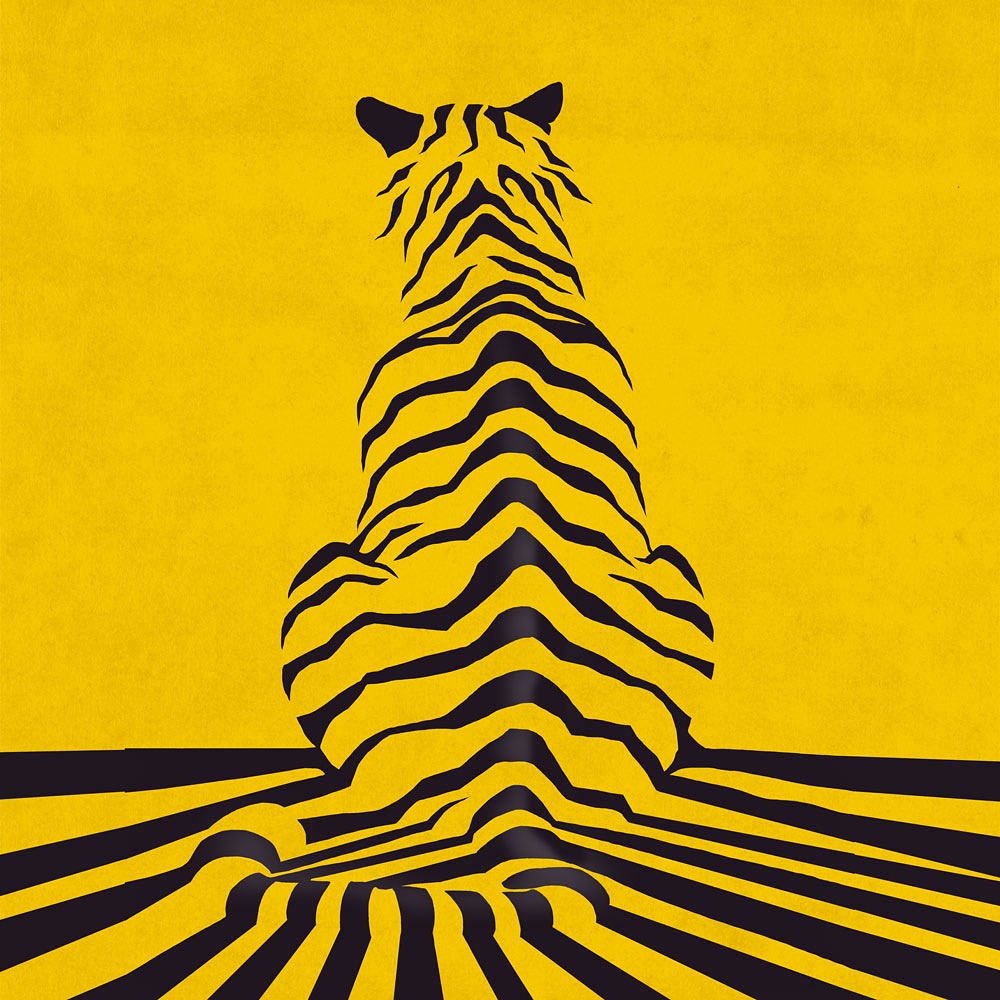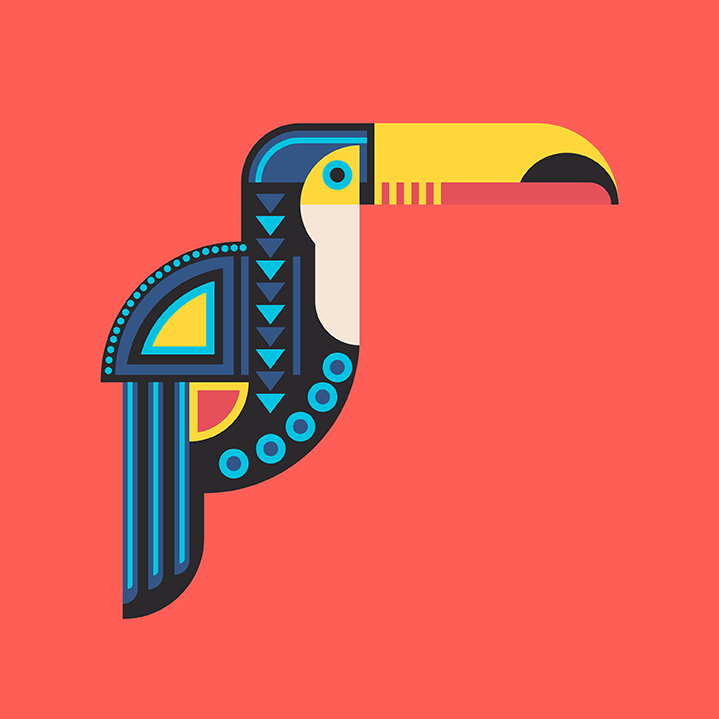
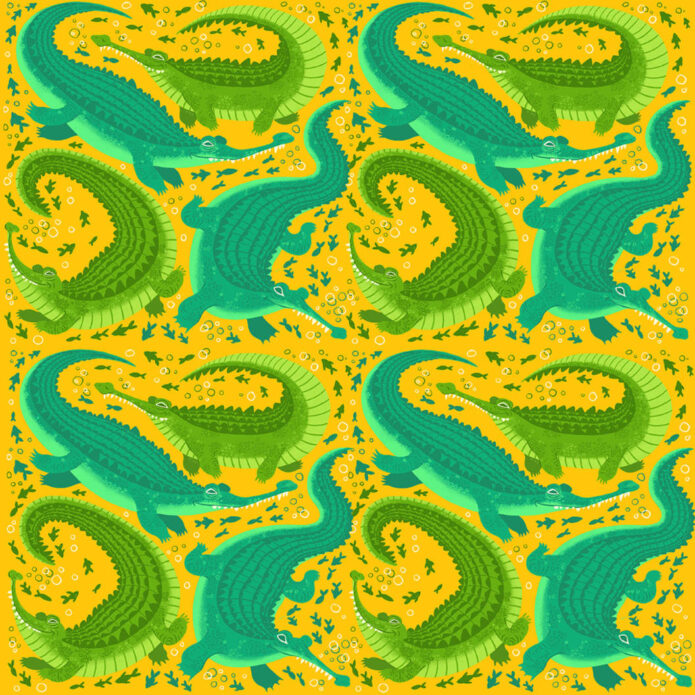
Kingshuk Chowdhary is an illustrator and designer with over a decade of experience creating character-driven visuals rooted in storytelling, humor, and emotion. Over the years, he has collaborated with brands and organizations such as Instagram, Google, Pratham Books, Chumbak, and Wonderchef.
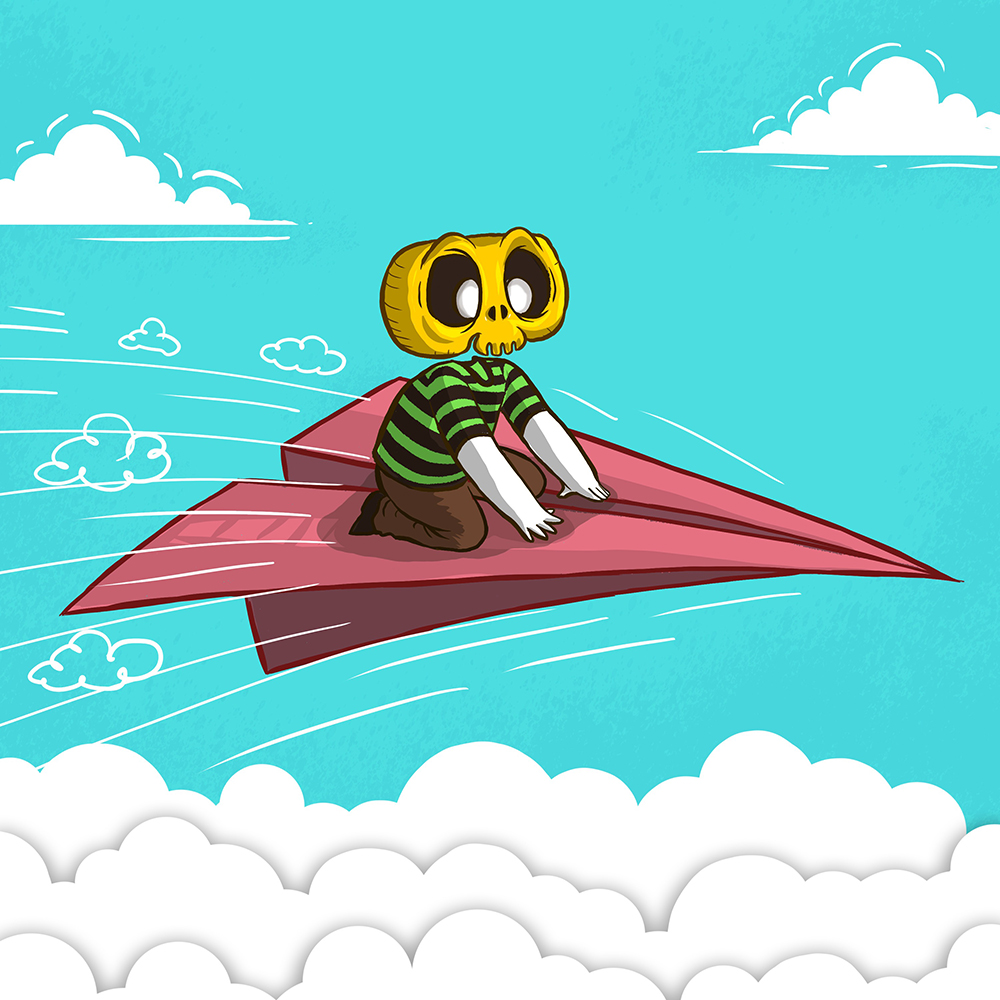
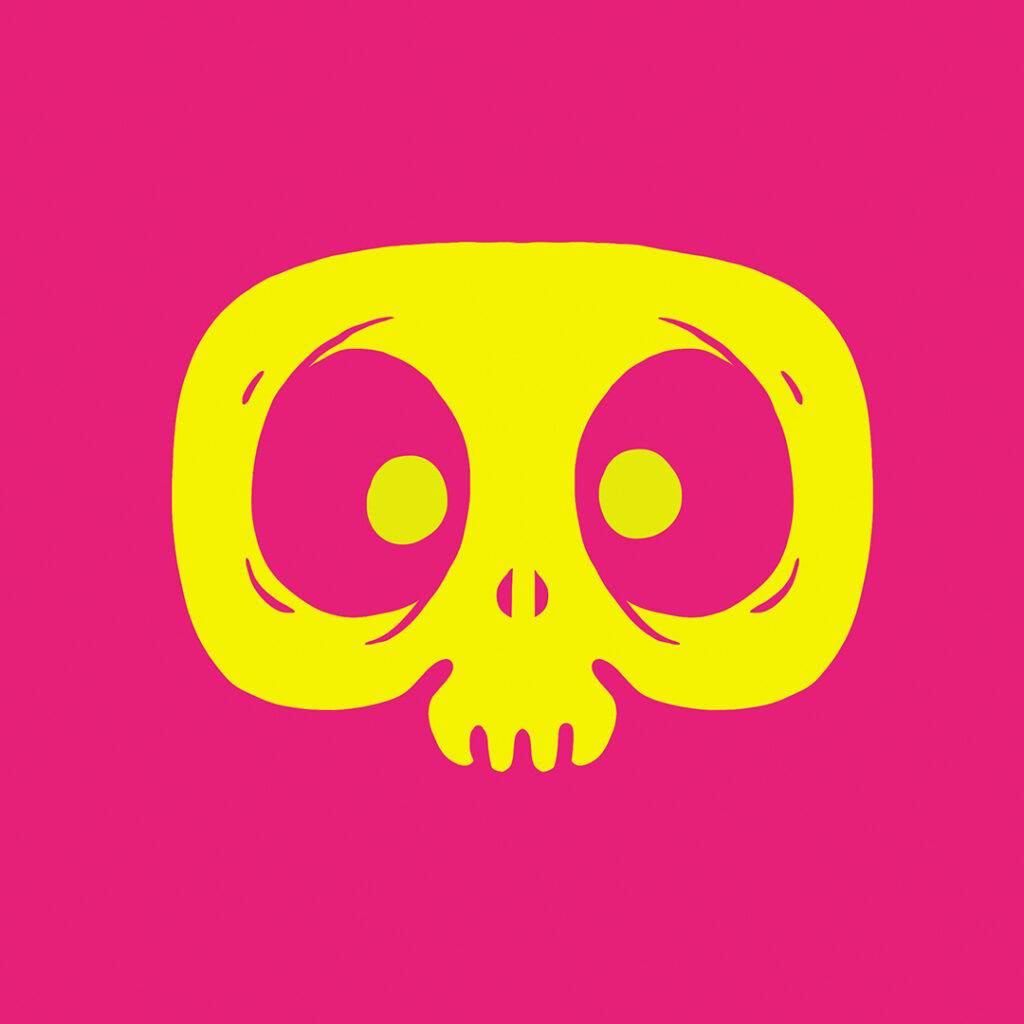
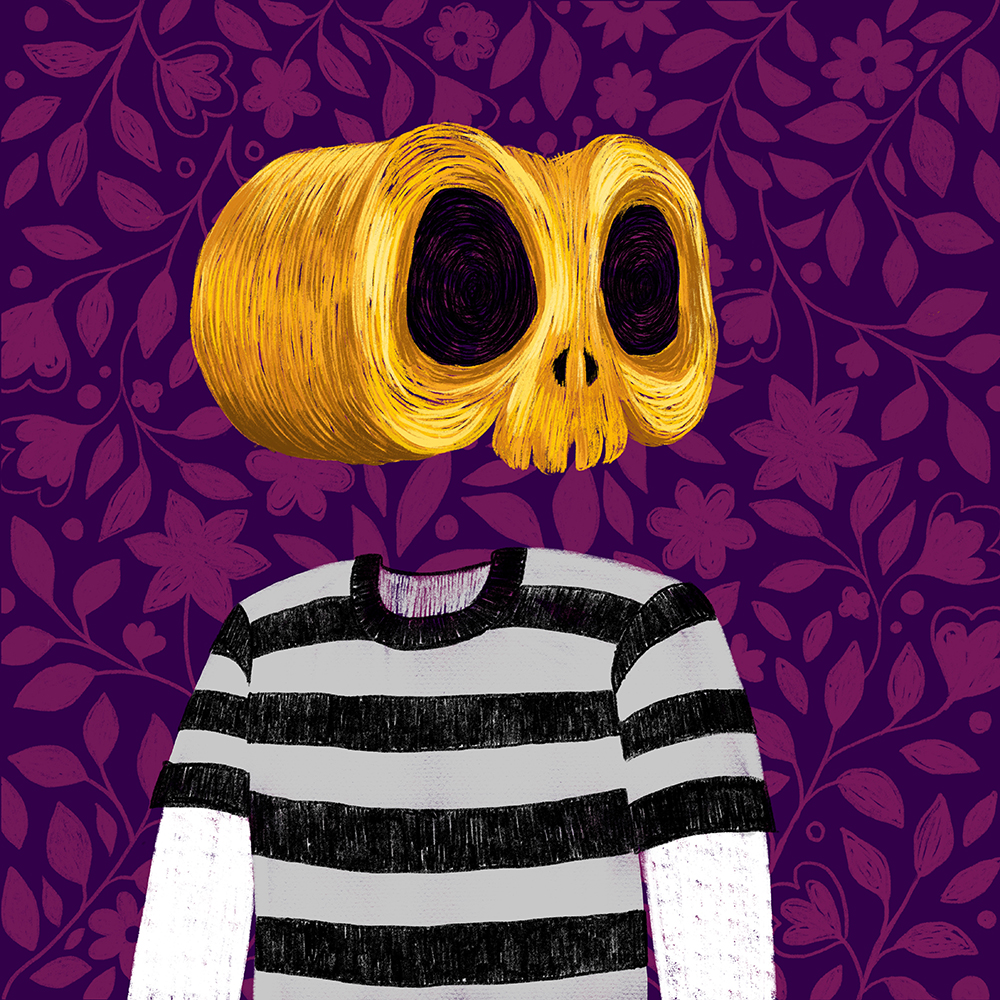
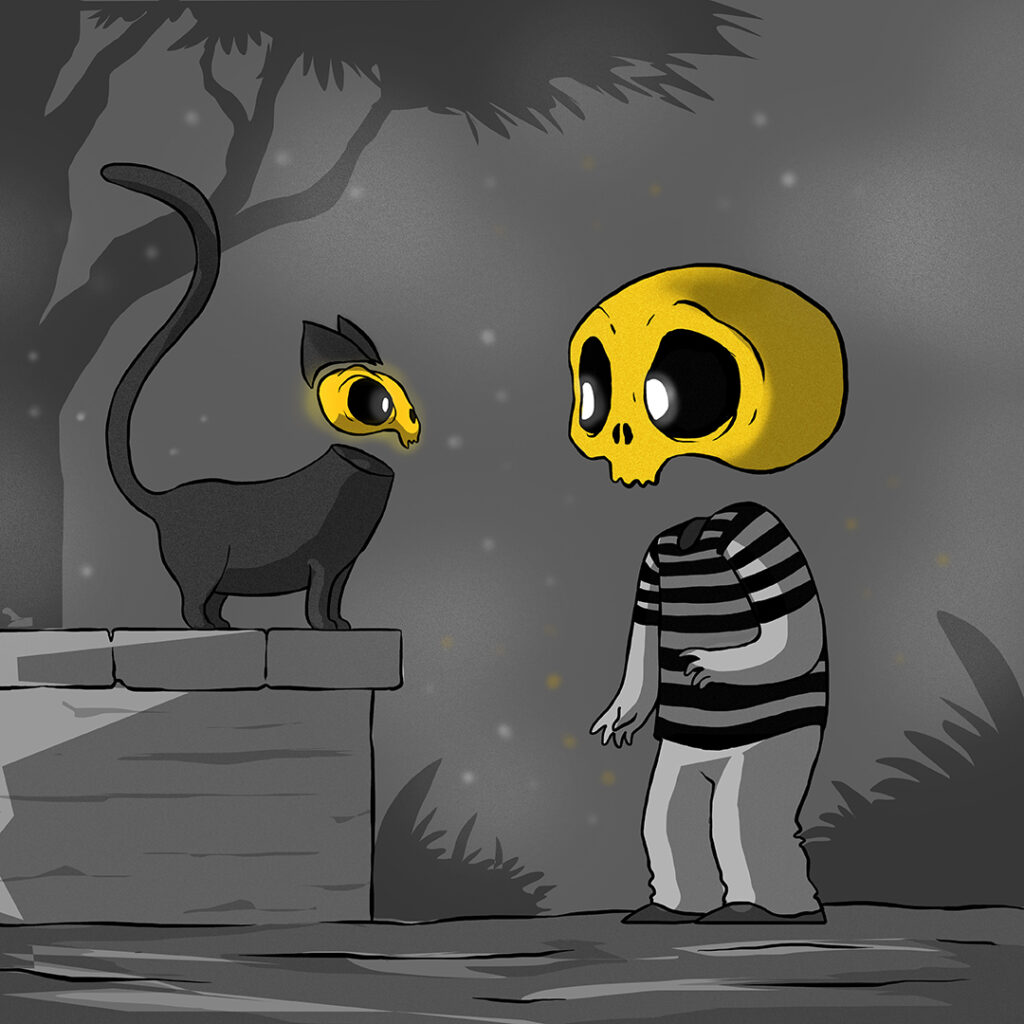
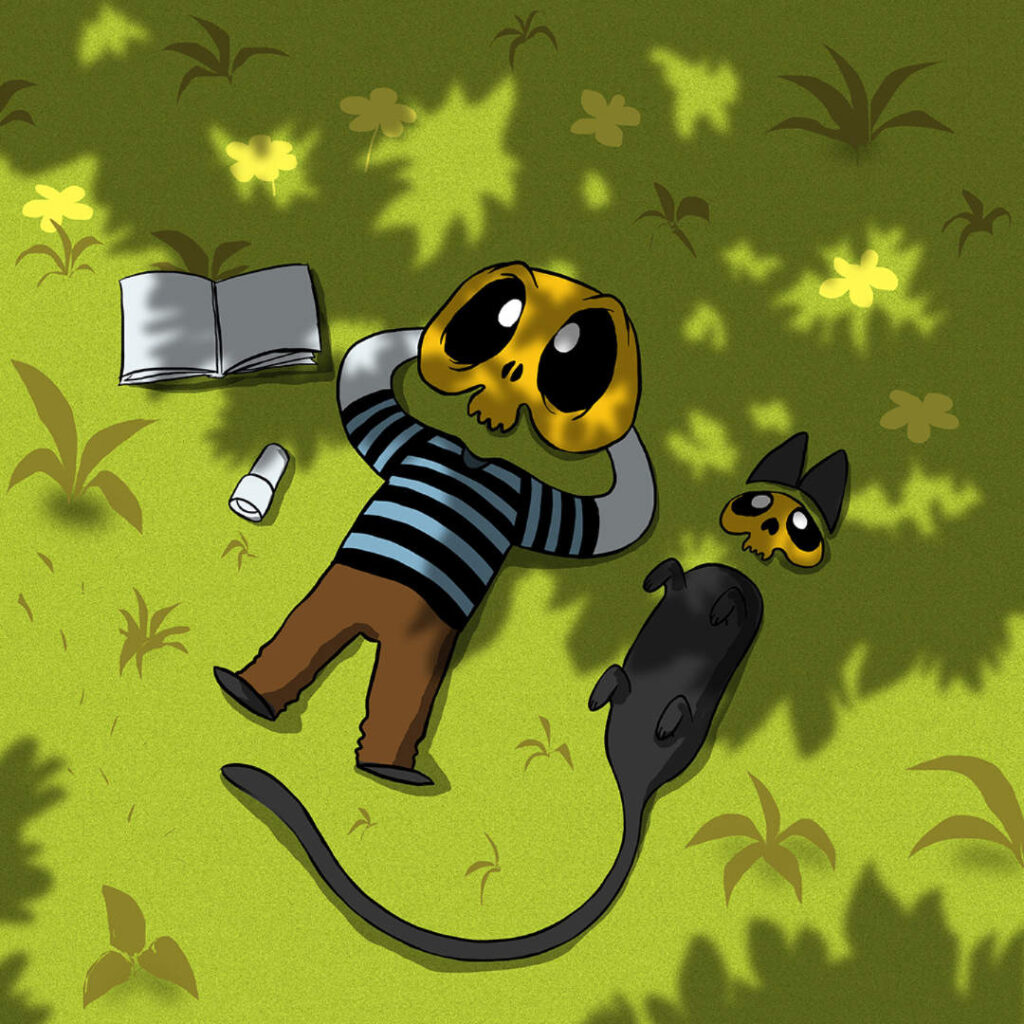
He is also the creator of the Khopdi universe, a growing collection of original characters and stories centered around a playful skull-headed character that appears across illustrations, comics, and merchandise. His work often draws inspiration from animation, Indian culture, films, wildlife, and everyday life.
Alongside commercial projects, Kingshuk continues to explore personal storytelling, collectible design, and original IP creation, with a long-term dream of building worlds and characters people can emotionally connect with.
Why are you an Illustrator?
I never really planned on becoming an illustrator. I was simply someone who loved drawing from a very young age.
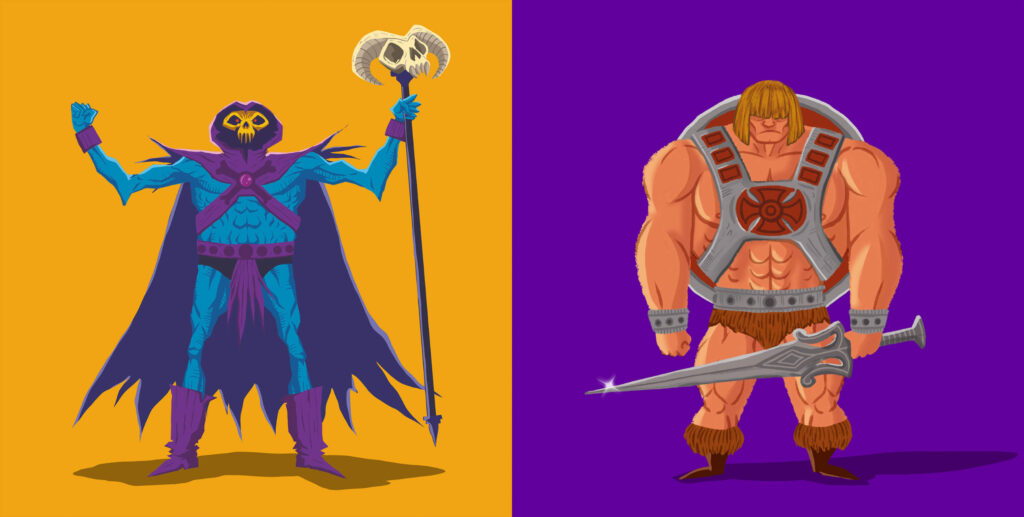
As a kid, I used to copy anything I could find around me, comic books, newspaper illustrations, film posters, random magazine images. I was especially obsessed with Raj Comics superheroes growing up. That was probably my first real connection with drawing and visual storytelling.
Later, I discovered Disney animation and films like Jurassic Park, Alien, and Terminator, and that completely changed the way I looked at art. I became fascinated by creature design, characters, and world-building.
That curiosity stayed with me. Over time, drawing slowly became the way I understood and expressed things.
Even today, what excites me most is creating visuals that make people feel something, whether it’s humor, nostalgia, curiosity, or emotion.
Did you attend school for fine art or design?
Yes, I studied Animation Film Design at MIT Institute of Design, Pune.
Finding that path happened quite accidentally though. Growing up, I wasn’t even aware that careers like animation, illustration, or design really existed in a serious way. I had no idea about institutes like NID or MIT.
A couple of friends introduced me to this whole creative world and made me realize people could actually build careers around art and storytelling.
College gave structure to my thinking, but a lot of my learning came from the people around me. Being surrounded by artists, filmmakers, gamers, designers, and storytellers constantly pushed me to improve and see things differently.
I still feel that the environment is very important for young artists. Learning online is great, but physically being around creative people changes the way you think and grow.
You have a distinct style of illustration. How long did it take you to develop your style?
I still don’t feel like I have one fixed “signature style” the way many famous illustrators do.
A lot of my professional work involves adapting to different styles depending on the project, client, or medium, and I actually enjoy that flexibility. Experimenting keeps things exciting for me.
But if there’s one space where my personal voice naturally comes through, it’s probably my character Khopdi and my personal projects. That’s where my humor, storytelling instincts, and visual preferences show up more freely.
I feel style develops naturally over time. The more you draw, observe people, watch films, experience life, and keep creating consistently, certain patterns slowly begin appearing in your work.
I also think artists sometimes put too much pressure on themselves to “find their style.” If you stay curious and keep making work, your voice eventually finds its place on its own.
Were there any particular role models for you when you grew up?
A lot of films, comics, games, and artists shaped me while growing up, and they still do.
Comic artists like Jim Lee, Alex Ross, Mike Mignola, Michael Turner, and Joe Madureira had a huge impact on me visually. Their characters felt larger than life.
I was also deeply inspired by artists like Nico Marlet, who designed the characters for Kung Fu Panda, Aaron Blaise from Brother Bear, and Mark McCreery, whose creature work on films like Predator and Jurassic Park completely blew my mind.
At the same time, Indian comic legends like Sanjay Gupta, Anupam Sinha, and the late Dheeraj Verma played a massive role in shaping my imagination during childhood.
Different artists inspired different things in me. Some inspired character design, some storytelling, and some simply made me want to create bigger worlds.
Who was the most influential personality in your career in Illustrations?
Some of the biggest influences in my career were people very close to me, friends, colleagues, roommates, and mentors who kept pushing me creatively.
One of them is Anurag Sarda, who was my college roommate. He’s a product designer and one of the most disciplined people I know. Watching the way he approached work and life taught me a lot.
Another important influence was Shaivalini Kumar, my ex-colleague from Chumbak. She’s an incredibly talented designer and illustrator who constantly encouraged me to improve my work.
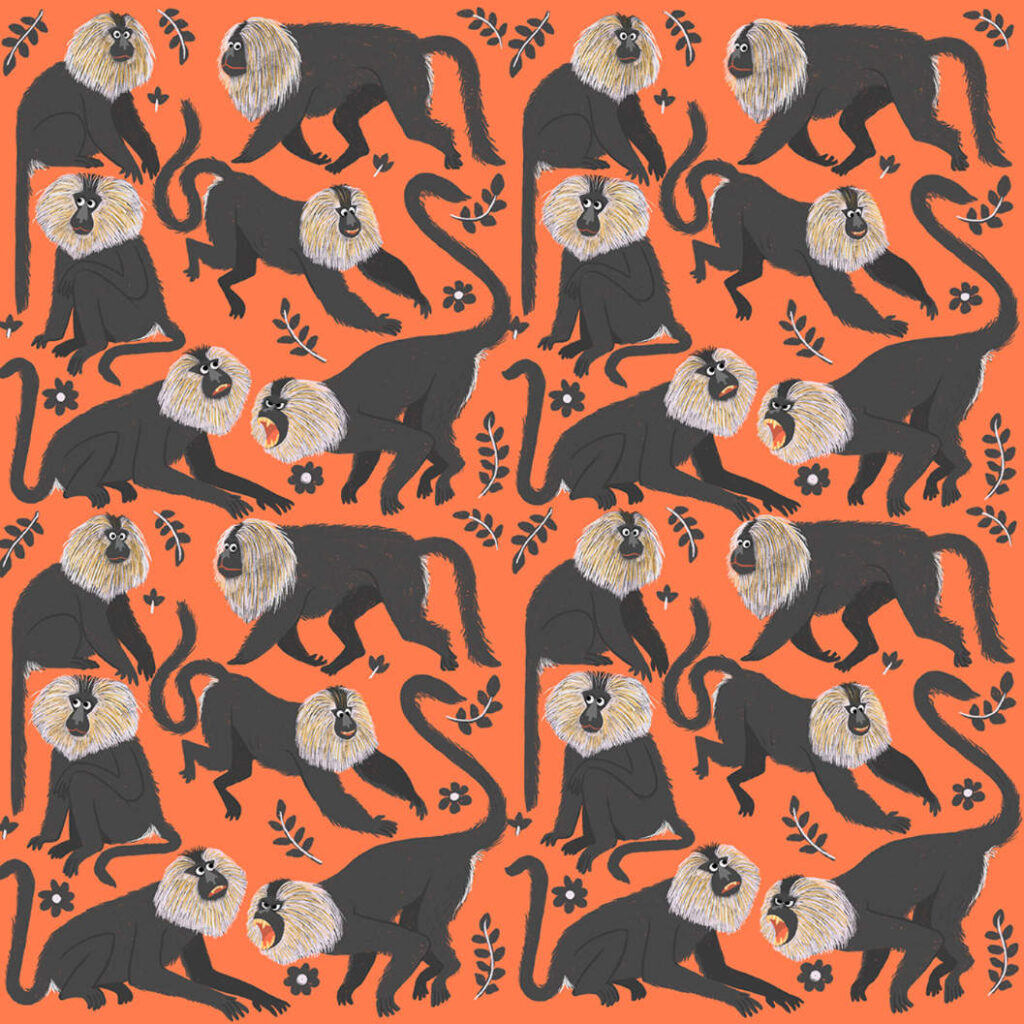
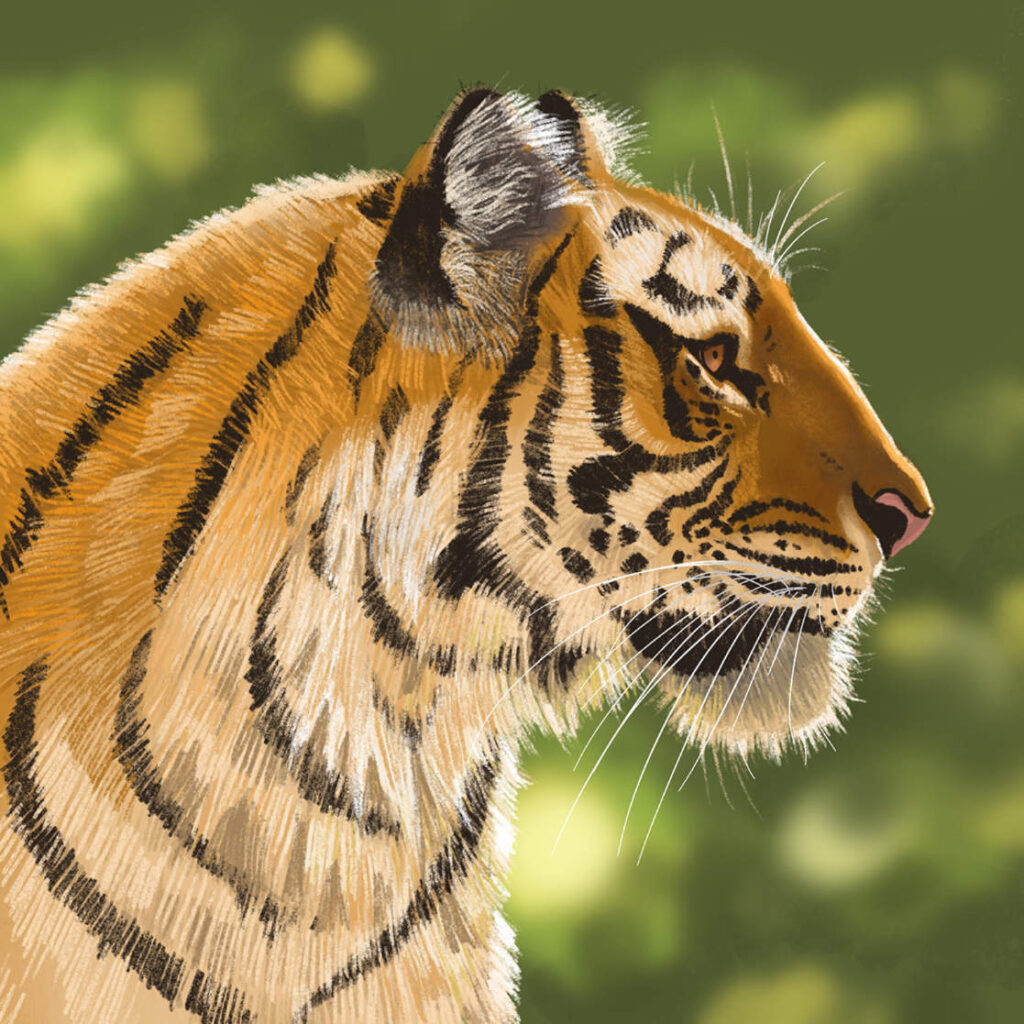
And of course, Rohan Dahotre, who I feel is one of the finest illustrators in India today. His understanding of wildlife, storytelling, textures, and detail is incredible.
I feel lucky to have met people who not only inspired me creatively, but also shaped the way I think about art and work.
What made you decide to become a freelance illustrator? When did you start freelancing? Do you illustrate for advertising?
I started working professionally around 2013, and my first job experience was quite rough. There were salary issues, unhealthy work culture problems, and as someone entering the industry for the first time, it was discouraging.
At one point, I left the job and went back to my hometown feeling completely unsure about what to do next.
Around that time, I got my first freelance opportunity through Behance with a German client, and that project lasted for almost six months. That experience completely changed my perspective because it made me realize artists could connect with opportunities globally, regardless of where they were based.
After that, I joined Chumbak and worked there for around four years while continuing freelance projects alongside my job whenever possible.
Things evolved further after 2018, when I started getting opportunities to work with brands and organizations like Instagram, Google, Pratham Books, Wildlife SOS, and Wonderchef. That phase gave me a lot more confidence in my work and creative direction.
And yes, I do illustrate for advertising and brand campaigns as well. A lot of my work naturally leans towards storytelling, publishing, products, education, and character-driven visuals. I enjoy projects where illustration becomes part of a larger narrative instead of just decoration.
Are many advertising agencies getting illustrations made these days? Do you work more with agencies or publishers?
Yes, far more than before.
Today, advertising agencies, gaming studios, startups, publishers, educational platforms, animation studios, and tech companies are all using illustration much more actively. Brands want visuals people can instantly connect with, and illustration helps create that connection.
At the same time, the industry has become far more competitive because there are so many talented artists entering the field.
In my own journey, I’ve worked with agencies, publishers, brands, startups, and direct clients. I personally enjoy projects where there’s room for collaboration, storytelling, and character-building rather than only fast production work.
Every kind of project teaches you something different. Agency work teaches speed and adaptability, while publishers and brands often allow deeper involvement in the creative process.
Was there any time when you wanted to quit Illustrations?
Many times.
Creative fields can become emotionally exhausting after a point. There were phases where I struggled with burnout, self-doubt, unstable work situations, and the uncertainty that often comes with creative careers.
Sometimes you start questioning whether all the effort is even worth it.
But somehow I always came back to drawing.
Even after difficult phases, I still enjoy designing a new character, exploring strange ideas, or watching an artwork slowly come to life.
I think every artist goes through phases like this at some point. You just learn to keep going through them.
Have you considered turning your illustrations into toys?
Yes, many times. I’ve always been fascinated by toys, action figures, collectibles, and character merchandise.
During my time at Chumbak, I got the opportunity to design a few bobblehead-style toys, and seeing a character go from sketch to an actual physical product was a really exciting experience.
That made me realize how special it feels when your artwork exists beyond screens and becomes something people can physically hold and connect with.
I’ve wanted for a long time to turn my character Khopdi into a collectible toy or figurine series. I would also love to animate the character and build stories and a larger universe around it.
I already have a long list of original characters I would love to convert into toys someday.
Any other Indian Illustrators who you admire?
India has some incredibly talented illustrators and artists, and I feel lucky to exist in the same creative timeline as many of them.
As I mentioned earlier, Rohan Dahotre is someone I deeply admire for his wildlife illustrations and storytelling abilities.
I also really admire Shaivalini Kumar for her illustration and art direction work, and Tanya Kotnala, also known as Bhuli, whose work beautifully blends culture, folk influences, and personal storytelling.
Other artists whose work I really enjoy are Chaya Prabhat, Lavanya Naidu, Rajiv Eipe, and Ninad Kotasthane. Each of them has a very distinct voice and visual language, which I deeply respect.
The list could honestly go on for a long time. One of the best things about being part of the creative community is constantly discovering inspiring people and new perspectives.
Do you have any favorite fellow illustrators or resources relating to your field?
The list keeps changing because I’m always discovering new artists.
Apart from the artists I already mentioned, I follow a lot of illustrators, concept artists, toy designers, animators, filmmakers, and storytellers whose work inspires me creatively.
Growing up, we didn’t really have easy access to online learning platforms the way people do today. A lot of my learning came from films, comics, DVDs, art books, video games, behind-the-scenes documentaries, and closely observing other artists’ work.
Today, platforms like Behance, ArtStation, YouTube, Pinterest, and Instagram have become amazing learning spaces for artists.
But I still feel one of the greatest resources for any artist is observation. Observing people, streets, animals, conversations, films, and everyday life adds personality and honesty to your work in a way tutorials alone cannot.
You have such a wide experience as a working professional. What advice do you have for aspiring creative professionals? Would you advise them to take on Illustration as a career option? Is it paying well enough?
One thing I’ve understood over the years is that consistency matters far more than chasing perfection.
A lot of young artists give up too early because they constantly compare themselves to others, especially on social media. What people usually don’t see are the years of failures, practice, self-doubt, and hard work behind good artwork.
I think it’s important to focus not only on style, but also on observation, storytelling, communication, discipline, and understanding people. Those skills matter a lot in creative industries.
And yes, I would definitely encourage people to pursue illustration or creative fields if they genuinely enjoy it. Today there are far more opportunities than before across advertising, publishing, gaming, films, animation, merchandise, education, branding, and independent IP creation.
At the same time, creative careers take time to build. Stability usually doesn’t come overnight.
Can illustration pay well? Yes, absolutely. But like any profession, it depends on skill, consistency, professionalism, adaptability, networking, and how seriously you treat your work.
Most importantly, don’t stop creating just because progress feels slow.
Whats your dream project?
My dream project would be to create something that emotionally stays with people for a long time.
Maybe through illustration, storytelling, animation, or original characters that can inspire people, comfort them, or simply make them feel connected to a world.
I’ve always felt deeply connected to wildlife, nature, and human-centered stories, so I would love to create projects around those themes someday.
What Hayao Miyazaki and Studio Ghibli have created over the years has been a huge inspiration for me. The way their films transport you into magical worlds while still feeling deeply human is something I admire immensely.
Someday, I would love to build something similar in my own way, a world filled with original characters, humor, emotions, stories, and heart.
Mac or PC?
Both.
I use an iPad Pro and Procreate a lot for illustration because it feels very natural and convenient for sketching and drawing.
At the same time, I use a PC for more experimental work and workflows that are easier for me there.
So for me, it has never really been Mac vs PC. I enjoy working across both depending on the project.
Who would you like to take out for dinner?
Probably my wife, because she’s the person I feel most comfortable with. Being around her feels like home.
I also enjoy spending time with close friends. Good food and good conversations with people you genuinely connect with is always a great combination.
What’s are you listening to right now?
Nowadays, I listen to a lot of true crime, horror, and storytelling podcasts while working.
Apart from that, my playlist is all over the place. It can go from old Bollywood songs to film soundtracks, indie music, nostalgic 90s tracks, or sometimes just one random song that I replay for weeks.
What’s your Twitter Handle? Instagram?
Instagram: @helloitskhopdi
Behance: https://www.behance.net/kingshukchaudhary